
 Business License

How to Choose the Right Non-sparking Tools for Hazardous Work Areas
Meta Description: Learn how to select non-sparking and Non-sparking tools for hazardous work areas. Compare materials, applications, tool control, and purchasing criteria.
How to Choose the Right Non-sparking Tools for Hazardous Work Areas
Maintenance work in a hazardous area requires more than a strong hand tool. Technicians must consider the surrounding atmosphere, the task, the tool material, the risk of impact, and the operating procedure. In facilities that handle flammable gases, vapors, liquids, dust, or residues, the wrong tool can create an avoidable ignition risk.
That is why many industrial teams use Non-sparking tools, also commonly described as non-sparking or spark-resistant tools. The correct choice depends on the complete work situation—not only on the name printed in a product catalogue.
What are Non-sparking tools?
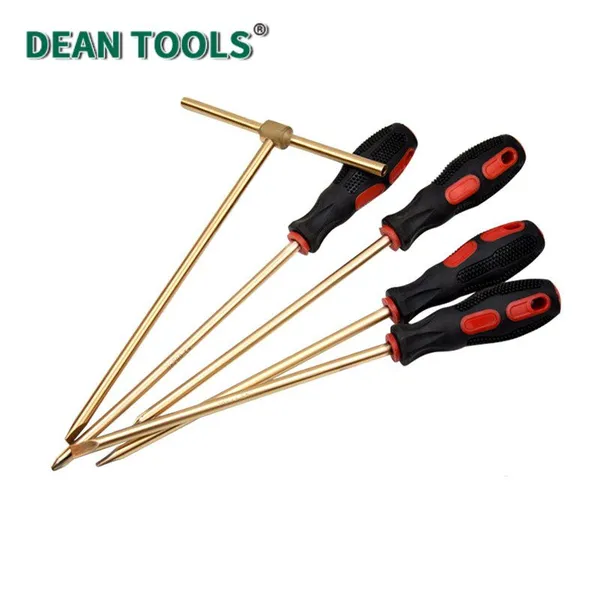
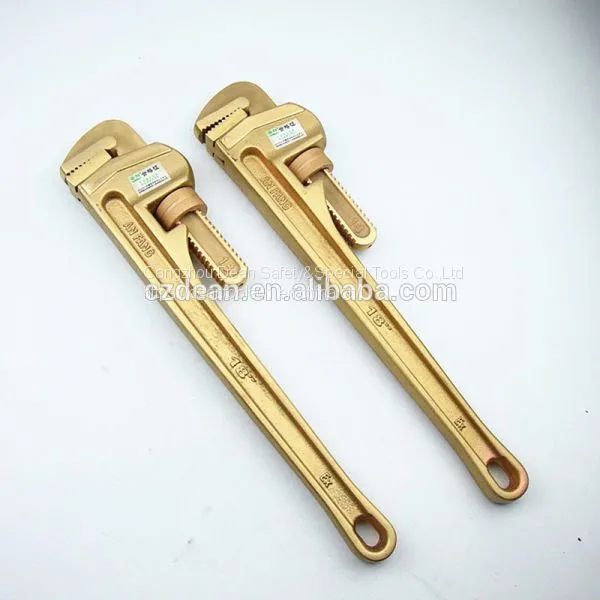
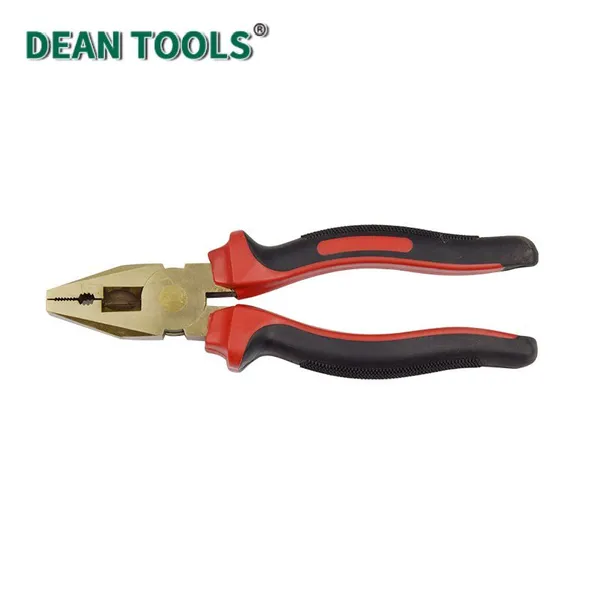
In everyday industrial purchasing language, Non-sparking tools generally refer to hand tools designed to reduce the possibility of an incendive spark during contact, impact, or friction. Typical product families include non-sparking wrenches, hammers, striking tools, pliers, screwdrivers, and maintenance sets.
The term does not mean that every tool is completely incapable of producing a spark under every condition. Tool performance can be affected by contamination, surface condition, impact energy, contact with other metals, misuse, and the surrounding material. A tool should therefore be selected as one part of a broader hazardous-area work control system.
1. Start with the worksite risk assessment
Before choosing a tool, identify the hazards in the work area. Ask the following questions:
• Is the area exposed to flammable gas, vapor, liquid, or combustible dust?
• Is the equipment contaminated with hydrocarbon residue or other flammable materials?
• Will the tool be used for light adjustment, controlled tightening, or heavy impact?
• Is the task performed in a confined space or near an open process line?
• Are there site rules covering tool materials, permits, grounding, ventilation, or gas testing?
A non-sparking hand tool can help reduce one potential ignition source, but it does not replace gas detection, isolation, lockout/tagout, ventilation, personal protective equipment, or permit-to-work procedures.
2. Match the material to the application
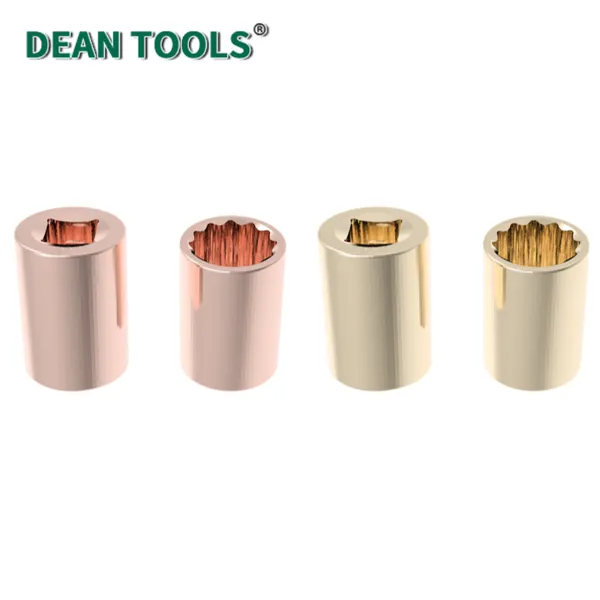
Common non-sparking tool materials include aluminum bronze and beryllium copper. Each material family has different characteristics relating to hardness, strength, corrosion behavior, wear resistance, and suitability for a specific task.
For example, an aluminum bronze wrench may be selected for general maintenance where controlled torque and corrosion resistance are important. A beryllium copper tool may be specified for particular industrial applications that require a different balance of strength and non-sparking performance. The exact material designation should come from the manufacturer, not from a generic product description.
For heavy striking work, buyers should pay particular attention to the manufacturer's instructions. A tool designed for hand pressure should not be used as a striking tool, and a non-sparking wrench should not automatically be treated as a substitute for a certified striking wrench.
3. Choose the correct tool type
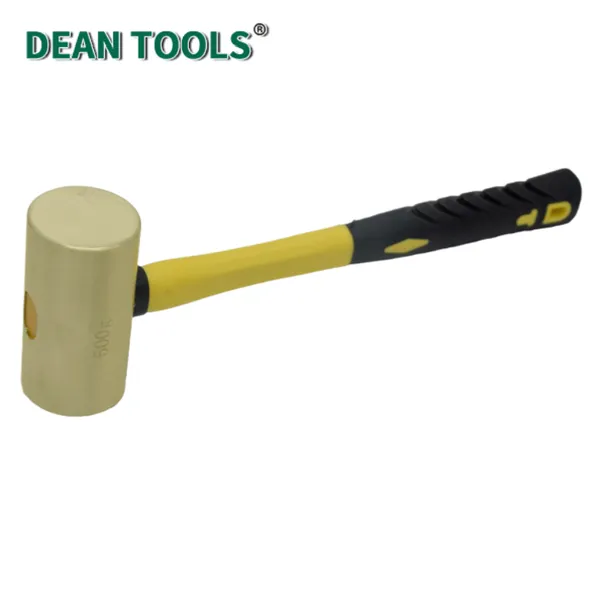
The tool geometry should fit the job. Open-end wrenches are useful where access is limited. Ring or box wrenches can provide better contact around a fastener. Striking box wrenches are designed for controlled impact with an approved hammer, while non-sparking hammers are used for specific impact and positioning tasks.
Using the correct profile helps reduce slipping, fastener damage, and uncontrolled impact. It can also improve productivity because the operator does not need to compensate for an unsuitable tool.
4. Check dimensional accuracy and surface quality
A non-sparking tool still needs to fit properly. Before purchase, confirm the required size system, jaw or opening dimensions, overall length, and access clearance. Inspect the working surfaces for burrs, cracks, deep damage, or deformation.
For tools used in corrosive or outdoor environments, surface finish and storage conditions also matter. Corrosion or mechanical damage may affect both tool performance and the integrity of the working surface.
5. Review documentation and traceability
A professional supplier should be able to provide clear product information, including:
• Tool material and material grade, where applicable
• Product dimensions and weight
• Intended application and limitations
• Inspection or quality-control information
• Available certificates or declarations, where applicable
• Batch, lot, or product traceability information
• Recommendations for cleaning, inspection, and storage
Certification requirements vary by product, industry, country, and worksite. Do not assume that a material name alone proves compliance with a particular hazardous-area standard. Ask for the relevant documentation and compare it with your internal purchasing requirements.
6. Build a tool-control process
Even the best tool can become unsafe when it is used incorrectly. Mark tools clearly, inspect them before use, remove damaged tools from service, and store them in a clean, dry location. Avoid mixing non-sparking tools with ordinary carbon-steel tools if your site procedure requires strict tool control.
Operators should also understand that non-sparking tools may have different hardness and wear characteristics from conventional tools. They should use the right force, avoid makeshift extensions, and follow the supplier's instructions.
Final checklist for buyers
Before placing an order, confirm the hazard type, task, required tool style, size range, material, documentation, quantity, packaging, and replacement policy. If the tool will be used for heavy maintenance, include the actual work method in the technical discussion with the supplier.
The best Non-sparking tool is not simply the tool with the most impressive product label. It is the tool whose material, geometry, documentation, and operating limits match the real worksite.
FAQ
Are Non-sparking tools completely spark-free?
No tool should be described as completely spark-free under every possible condition. Non-sparking tools are designed to reduce the likelihood of an incendive spark when used correctly, but the worksite still needs appropriate controls.
What materials are used for non-sparking tools?
Aluminum bronze and beryllium copper are common material families. The best choice depends on the tool type, worksite, mechanical load, corrosion conditions, and manufacturer documentation.
Can a non-sparking wrench be used as a hammer?
Not unless it is specifically designed and marked for striking use. Using a standard wrench as an improvised hammer can damage the tool and create a safety risk.
How often should non-sparking tools be inspected?
Inspect them before use and according to the site's preventive-maintenance procedure. Remove any tool with cracks, severe deformation, deep scratches, or other damage from service.
Recently Posted
-
Why Use a Non-Sparking Octagonal Hammer in Hazardous Area Maintenance?
August 17, 2026Meta Description: Discover how a non-sparking octagonal hammer supports maintenance in hazardous areas. Learn about hammer sh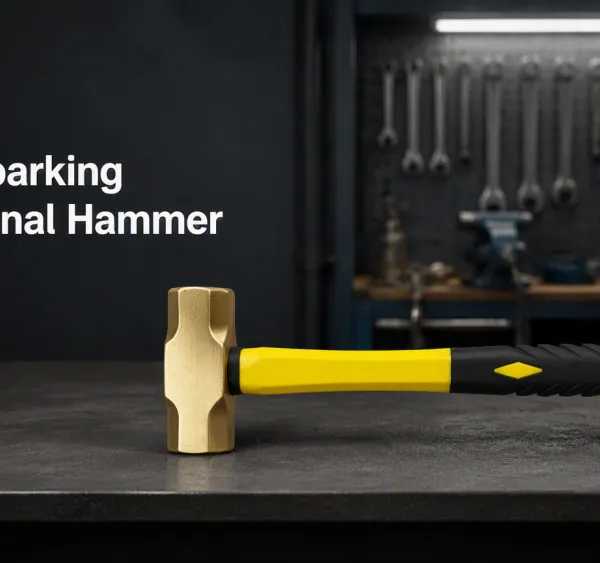 Read More
 -
Why Choose a Brass Hammer Instead of a Standard Steel Hammer?
August 2, 20261. Reduced Spark RiskThe biggest advantage of a brass hammer is its ability to reduce the risk of spark generation.In industries s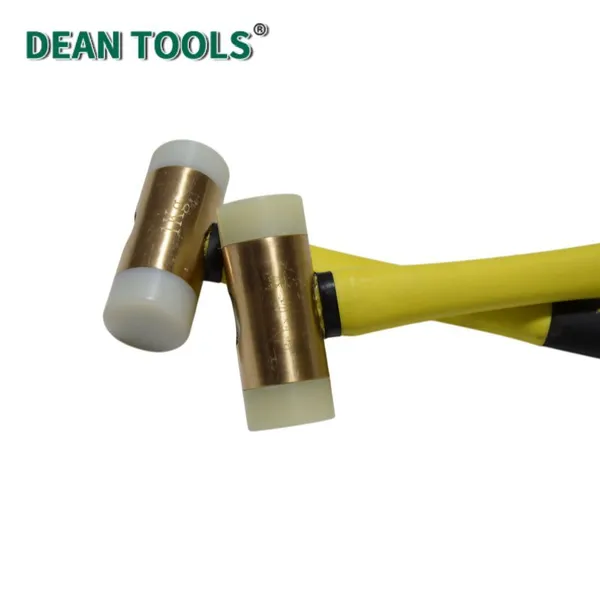 Read More
 -
Why Are Non-Sparking Hammers Made of Aluminum Bronze and Beryllium Bronze?
July 31, 2026IntroductionNon-sparking tools are widely used in industries where sparks can create dangerous situations.One of the most importan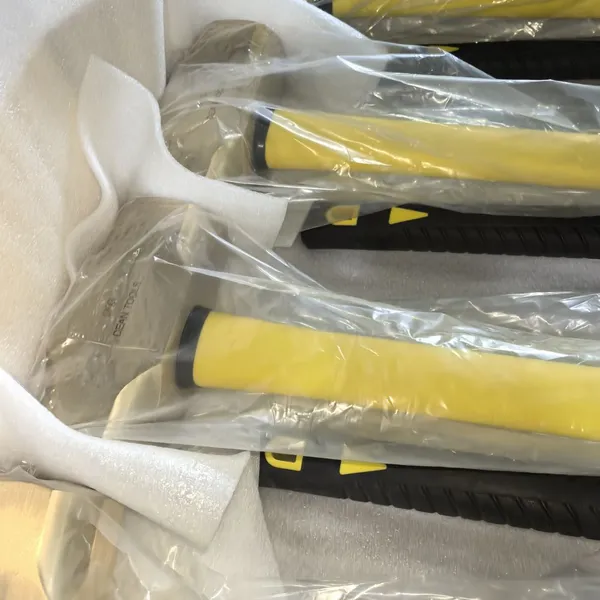 Read More
 -
Non-Sparking Octagonal Hammer vs Steel Octagonal Hammer: What Is the Difference?
July 31, 2026IntroductionWhen selecting industrial hammers, many professionals focus only on strength and durability. However, in hazardous wor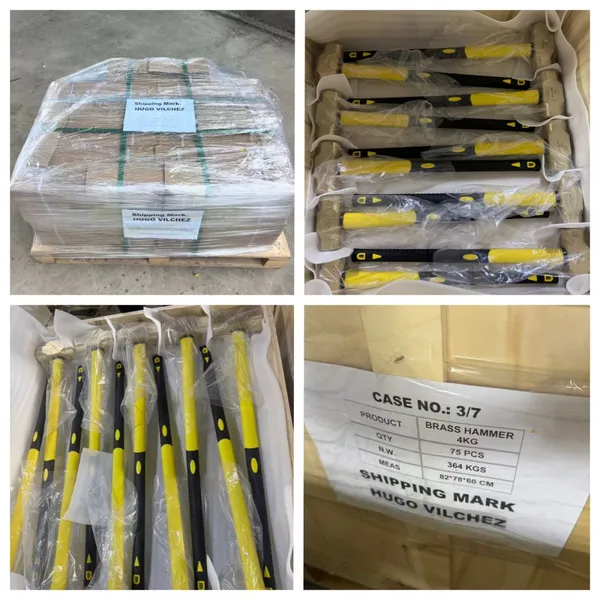 Read More

Contact Us
Recommended Products
-
 Aluminum Bronze Non-Sparking Tool Set Manufacturer,Custom Safety Tools, Copper Alloy Non-Sparking Tools Kit | Safe Hand ToolsUS$ 500MOQ: 10 Sets
 -
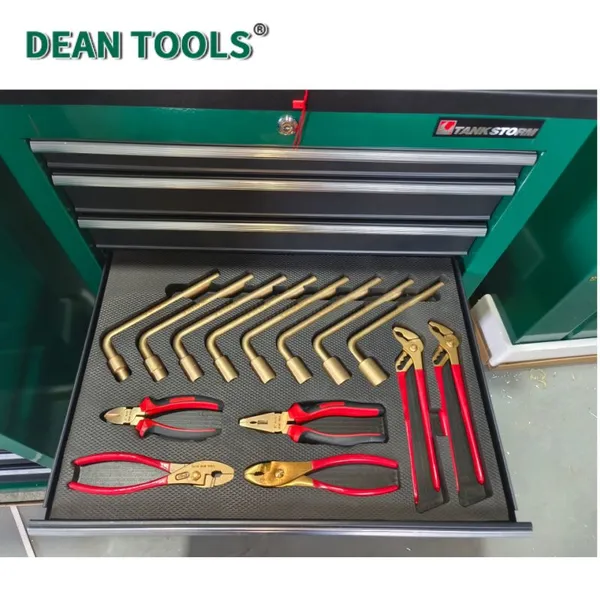
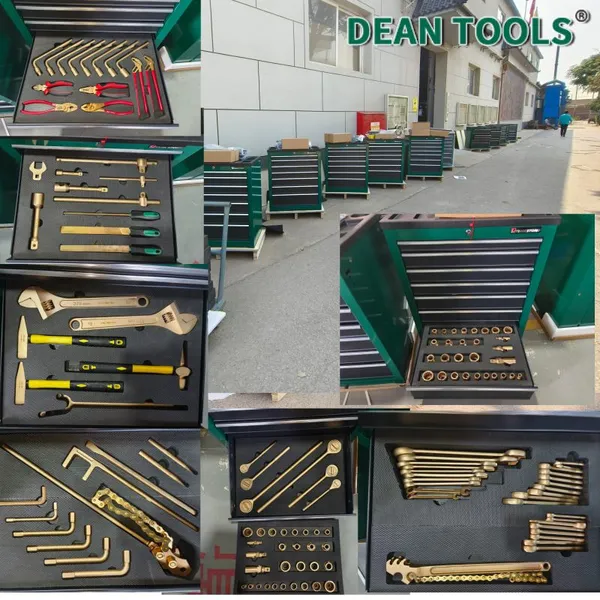
Non Sparking Tools Brass Scoop , Spark Proof Tools,DEAN TOOLS 113PCS Beryllium Bronze Non-Sparking Tool TrolleyUS$ 89 - 159MOQ: 1 Set
-
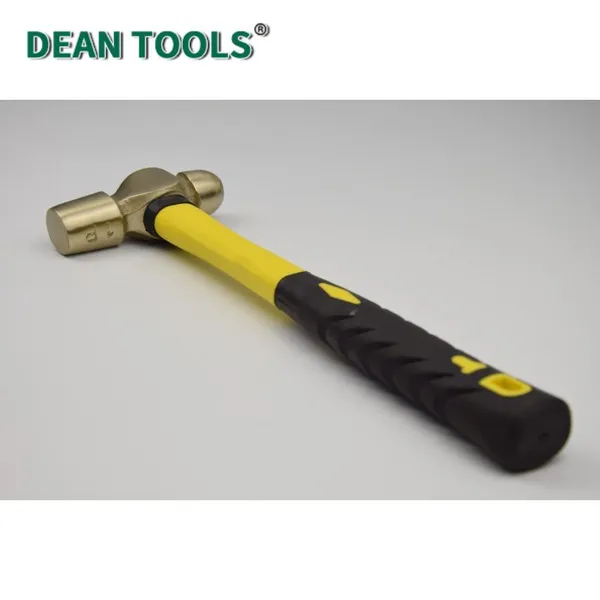
Non Sparking Ball Pein Copper Hammer\Industrial Hardware Tools\Explosion Proof Tools\Premium Copper AlloyUS$ 25.68MOQ: 10 Units
-
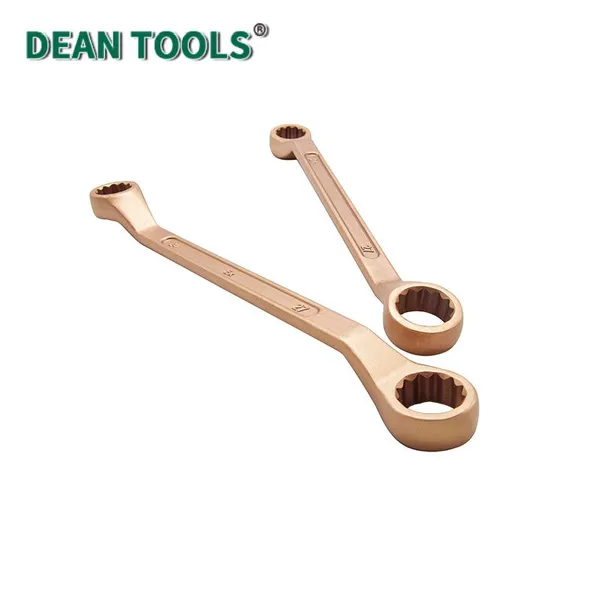
13-Piece Non-Sparking Double Box Offset Wrench Set, for Mining & Chemical Industry, Anti-Corrosion Coating,Size:5.5*7-30*32 mmUS$ 123MOQ: 10 Sets
-
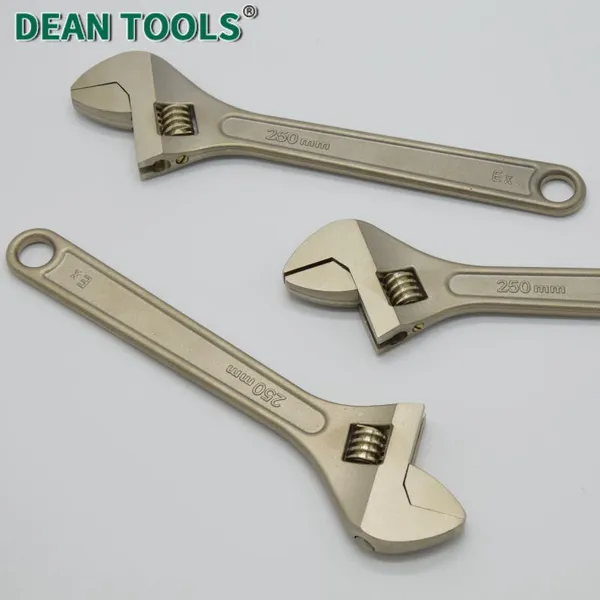
Non-Sparking Adjustable Wrench DEAN TOOLS Aluminum Bronze 6-Inch Natural Gas Pipeline Mining Operations SafetyUS$ 15MOQ: 10 Units
-
Non Sparking Beryllium Bronze Sledge Hammer With Fiber Handle 24P 18LBUS$ 39 - 520MOQ: 1 Piece
-
BERYLLIUM COPPER SCREWDRIVER SLOTTED FLAT NON SPARKING TOOLS 8*200MMUS$ 3.6 - 9MOQ: 1 Piece
-
Non Sparking Pipe Wrench Beryllium Bronze Stilson,tube Spanner American TypeUS$ 15 - 360MOQ: 10 Pieces
-
Sparkless be cu Joint Universal Wrench for Socket 1/2"*90mmUS$ 25 - 85MOQ: 1 Piece
-
Non-Sparking Lineman Pliers for Chemical Plant, Aluminum Bronze, Anti-Corrosion, 5-Year WarrantyUS$ 18MOQ: 10 Units
-
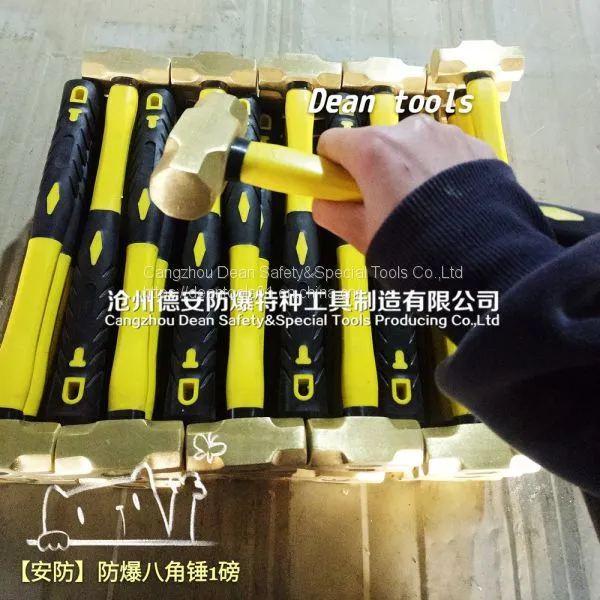
Non-Sparking Copper Hammer Mallet 2LB, Beryllium Copper Alloy,350mm LengthUS$ 25MOQ: 10 Units
-
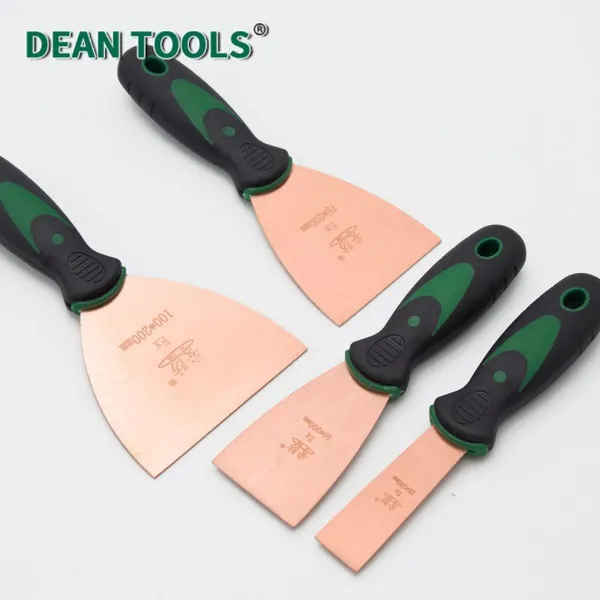
Aluminum Bronze Non-Sparking Putty Knife 200 mm Length With Plastic Handle for Hazardous EnvironmentUS$ 7.5MOQ: 10 Units
-
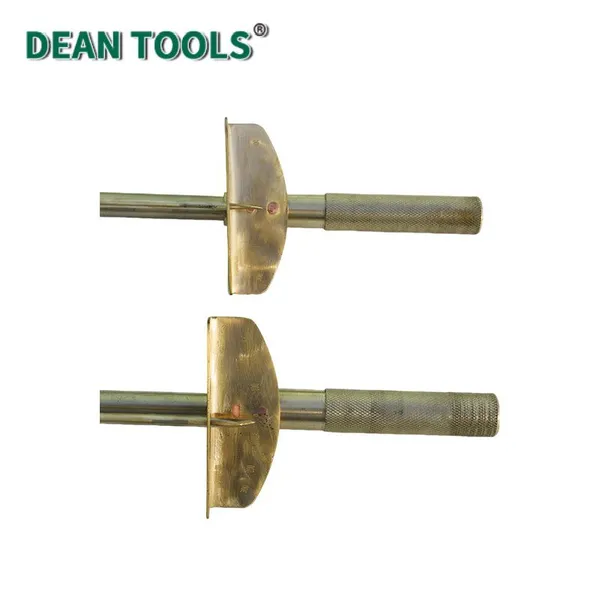
Non-Sparking Explosion-Proof Torque WrenchUS$ 51MOQ: 10 Units
-
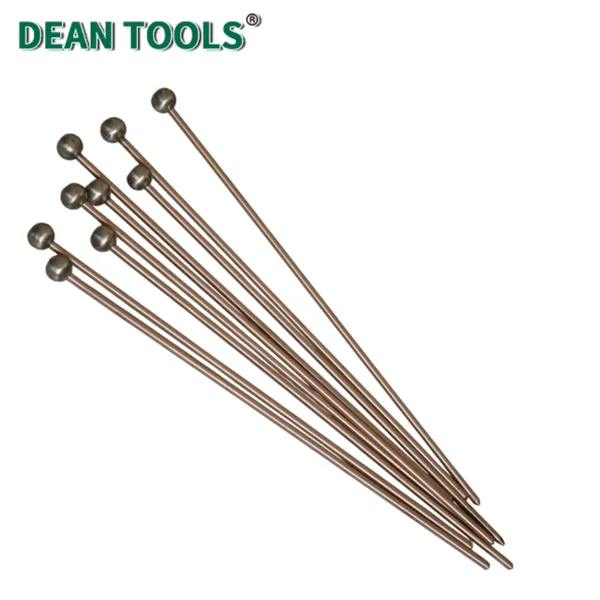
DEAN TOOLS Non-Sparking Ball Head Listening Rod, Copper Alloy Explosion Proof Listening Rod for Industrial Equipment MaintenanceUS$ 10MOQ: 10 Pieces
-
FLAT SPADE SHOVEL WOODEN HANDLE COPPER BERYLLIUM BRASS EDGE BLADEUS$ 20 - 25MOQ: 1 Piece
-
Non-sparking Flange Prop Beryllium Copper Alloy Anti-Corrosion Surface TreatmentUS$ 705.6MOQ: 10 Units
-
45# Steel 1" Dr Socket, 80mm Length,Size 22-36 Mm,45 Carbon Steel Socket ToolUS$ 5MOQ: 10 Units
-
Industrial 45# Steel Striking Open End Wrench, Industrial Maintenance Striking Wrench,Heavy Duty Hammering Open End WrenchUS$ 12MOQ: 10 Units
-
45# Steel Striking Box Wrench Size 17*150 Mm,Extra Wide Strike Zone Slogging Ring Spanner Corrosion Resistant Rust ResistantUS$ 7MOQ: 10 Units
-
45# Steel Hex Key Wrench, L-Shape,14mm, 90-Degree Bend, Satin Chrome Finish, 150mm Leg LengthUS$ 10MOQ: 10 Units