
 Business License

Why Use a Non-Sparking Octagonal Hammer in Hazardous Area Maintenance?
Meta Description: Discover how a non-sparking octagonal hammer supports maintenance in hazardous areas. Learn about hammer shape, material, inspection, and safe use.
Why Use a Non-Sparking Octagonal Hammer in Hazardous Area Maintenance?
An octagonal hammer is a familiar tool in mechanical maintenance, construction, plant repair, and equipment installation. When work takes place around flammable substances, however, a conventional hammer may not be the preferred choice. A non-sparking octagonal hammer is designed for applications where reducing the risk of an incendive spark is an important part of the tool-selection process.
The hammer's shape, material, weight, handle design, and intended use all matter. Choosing a hammer only by weight or price can lead to poor control, premature wear, or misuse.
What makes an octagonal hammer different?
An octagonal hammer typically has a multi-sided striking head and a handle designed for controlled manual impact. The head may be manufactured from a non-sparking copper alloy or another material specified by the supplier for the intended application.
The octagonal profile can provide a practical balance between a substantial striking face and a compact working form. Depending on the design, one end may be used as the main striking face while the opposite end supports positioning, alignment, or other approved tasks. The exact function must be confirmed from the product drawing and instructions.
Where is a non-sparking hammer used?
Non-sparking hammers may be considered for maintenance tasks in industries such as:
• Oil and gas processing
• Chemical and petrochemical production
• Paint, coating, and solvent handling
• Mining and mineral processing
• Pharmaceutical and manufacturing facilities
• Marine and offshore maintenance
• Utility and industrial service operations
The correct application depends on the facility's hazard assessment and work procedure. A non-sparking hammer is not a universal solution for every hazardous environment.
Key benefits for maintenance teams
Reduced potential for ignition from tool impact
The primary reason for specifying a non-sparking hammer is to reduce the possibility of an incendive spark caused by impact or contact. This can be relevant when a technician must loosen, position, adjust, or install components near potentially flammable materials.
Better task control than improvised tools
Using a purpose-designed hammer is generally preferable to using a random piece of metal, a pipe, or an ordinary hammer covered with an improvised material. The correct tool provides known dimensions, a defined striking surface, and a documented intended use.
Easier tool standardization
A company can standardize non-sparking octagonal hammers by weight, head dimensions, handle length, and application. Standardization simplifies training, inspection, purchasing, and replacement planning across multiple maintenance teams.
How to select the right hammer
Select the correct weight
A heavier hammer is not automatically safer or more effective. The operator should be able to control the swing and apply the required force without excessive fatigue. Choose the weight according to the work instruction and the component being serviced.
Check the striking face
The striking face should be suitable for the task and free from dangerous damage. Do not use a hammer with severe mushrooming, deep dents, cracks, loose components, or deformation that could affect control.
Confirm handle construction
The handle should provide a secure grip and be appropriate for the working environment. Check whether the handle is replaceable, how it is fitted, and which replacement parts are approved by the manufacturer. Never continue using a hammer with a loose head or damaged handle.
Verify the material and documentation
Ask the supplier to identify the head material and any applicable manufacturing or quality documentation. If your facility requires a particular standard, declaration, or inspection record, include that requirement before ordering.
Safe-use practices
A non-sparking hammer should be used with the same discipline as any other industrial striking tool. Inspect it before every use, clean off oil and residues when permitted by the work procedure, and use appropriate eye, hand, face, and body protection.
Use the hammer only on compatible surfaces and with suitable companion tools. Avoid striking hardened surfaces unless the tool manufacturer specifically permits the application. Do not use a hammer as a lever, pry bar, or substitute for a purpose-designed alignment tool.
The surrounding controls remain essential. Confirm isolation, test the atmosphere where required, control ignition sources, and follow the site's permit-to-work and emergency procedures.
Cleaning and storage
After use, inspect the striking face and handle. Remove contamination using a cleaning method approved for the tool material and the worksite. Store the hammer in a way that prevents contact damage, moisture accumulation, and mixing with tools that could compromise tool identification.
Maintain an inspection record for tools used in critical areas. A simple record can include tool ID, user, date, condition, and action taken.
Final thoughts
A non-sparking octagonal hammer can be a practical part of a controlled maintenance program when its material, design, and limitations are understood. The best result comes from combining the right hammer with competent operators, work permits, atmospheric controls, and routine inspection.
FAQ
Why is it called an octagonal hammer?
The name refers to the multi-sided profile of the hammer head or body. The exact geometry varies by manufacturer.
Is a non-sparking octagonal hammer suitable for every hazardous area?
No. Suitability depends on the hazard assessment, task, tool material, operating conditions, and site requirements.
Can the hammer be used on hardened steel?
Only if the manufacturer specifically allows it. Confirm the intended striking surfaces before use.
What should I do if the hammer head becomes loose?
Remove the hammer from service immediately. Repair or replace it according to the manufacturer's procedure; do not improvise a repair in the field.
Recently Posted
-
How to Choose the Right Non-sparking Tools for Hazardous Work Areas
August 17, 2026Meta Description: Learn how to select non-sparking and Non-sparking tools for hazardous work areas. Compare materials, a Read More
 -
Why Choose a Brass Hammer Instead of a Standard Steel Hammer?
August 2, 20261. Reduced Spark RiskThe biggest advantage of a brass hammer is its ability to reduce the risk of spark generation.In industries s Read More
 -
Why Are Non-Sparking Hammers Made of Aluminum Bronze and Beryllium Bronze?
July 31, 2026IntroductionNon-sparking tools are widely used in industries where sparks can create dangerous situations.One of the most importan Read More
 -
Non-Sparking Octagonal Hammer vs Steel Octagonal Hammer: What Is the Difference?
July 31, 2026IntroductionWhen selecting industrial hammers, many professionals focus only on strength and durability. However, in hazardous wor Read More

Contact Us
Recommended Products
-
 Aluminum Bronze Non-Sparking Tool Set Manufacturer,Custom Safety Tools, Copper Alloy Non-Sparking Tools Kit | Safe Hand ToolsUS$ 500MOQ: 10 Sets
 -
Non Sparking Tools Brass Scoop , Spark Proof Tools,DEAN TOOLS 113PCS Beryllium Bronze Non-Sparking Tool TrolleyUS$ 89 - 159MOQ: 1 Set
-
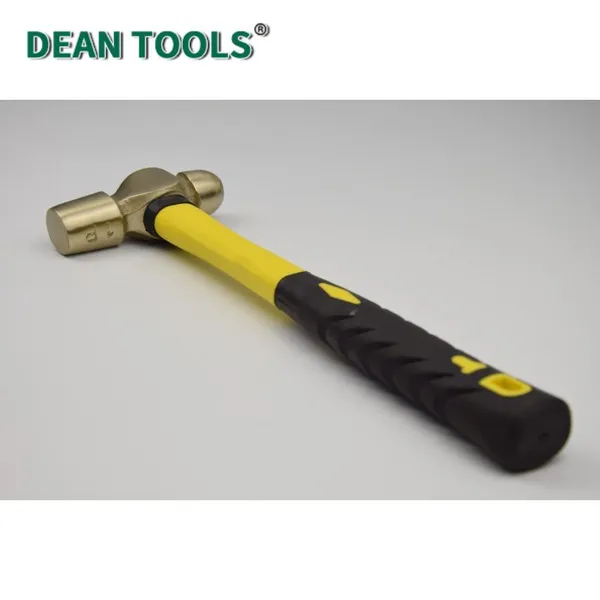
Non Sparking Ball Pein Copper Hammer\Industrial Hardware Tools\Explosion Proof Tools\Premium Copper AlloyUS$ 25.68MOQ: 10 Units
-
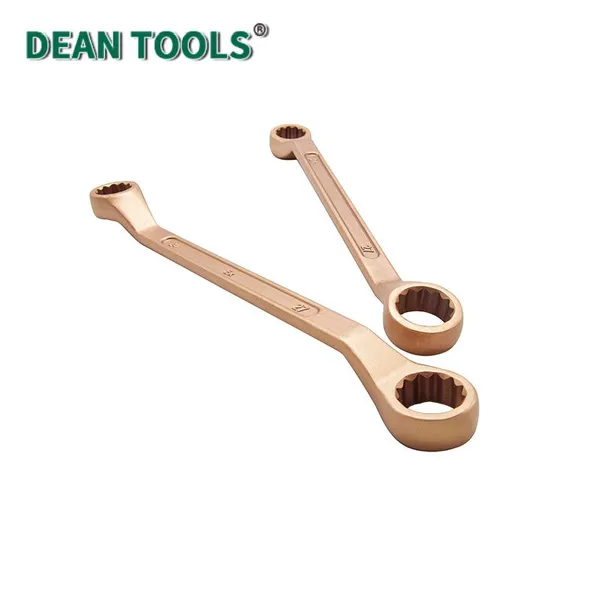
13-Piece Non-Sparking Double Box Offset Wrench Set, for Mining & Chemical Industry, Anti-Corrosion Coating,Size:5.5*7-30*32 mmUS$ 123MOQ: 10 Sets
-
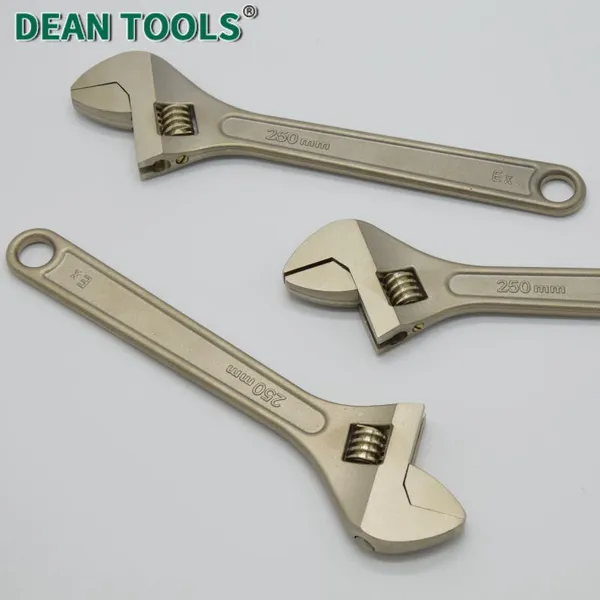
Non-Sparking Adjustable Wrench DEAN TOOLS Aluminum Bronze 6-Inch Natural Gas Pipeline Mining Operations SafetyUS$ 15MOQ: 10 Units
-
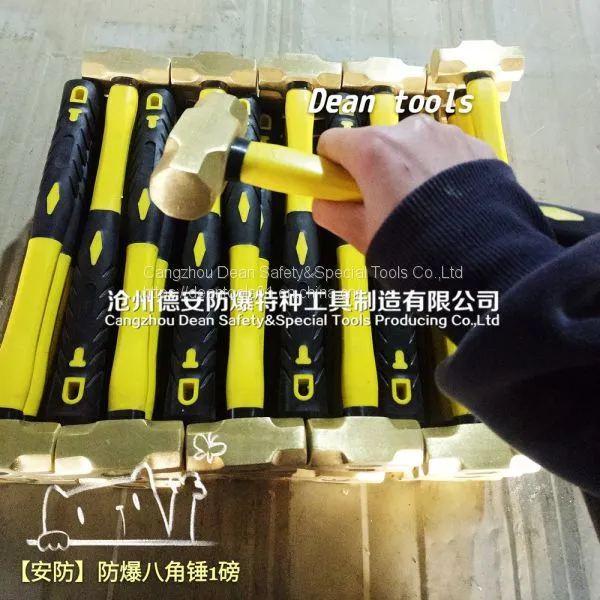
Non Sparking Beryllium Bronze Sledge Hammer With Fiber Handle 24P 18LBUS$ 39 - 520MOQ: 1 Piece
-
BERYLLIUM COPPER SCREWDRIVER SLOTTED FLAT NON SPARKING TOOLS 8*200MMUS$ 3.6 - 9MOQ: 1 Piece
-
Non Sparking Pipe Wrench Beryllium Bronze Stilson,tube Spanner American TypeUS$ 15 - 360MOQ: 10 Pieces
-
Sparkless be cu Joint Universal Wrench for Socket 1/2"*90mmUS$ 25 - 85MOQ: 1 Piece
-
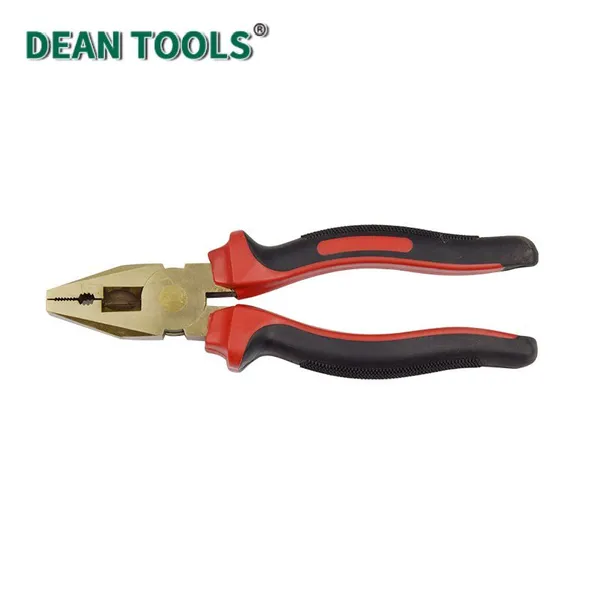
Non-Sparking Lineman Pliers for Chemical Plant, Aluminum Bronze, Anti-Corrosion, 5-Year WarrantyUS$ 18MOQ: 10 Units
-
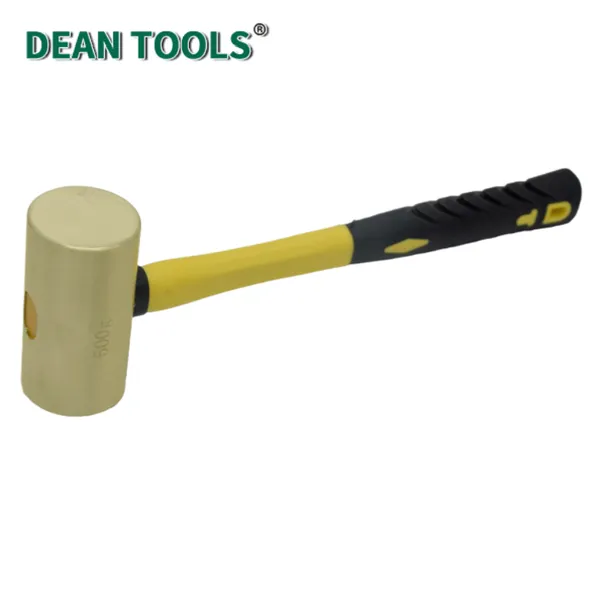
Non-Sparking Copper Hammer Mallet 2LB, Beryllium Copper Alloy,350mm LengthUS$ 25MOQ: 10 Units
-
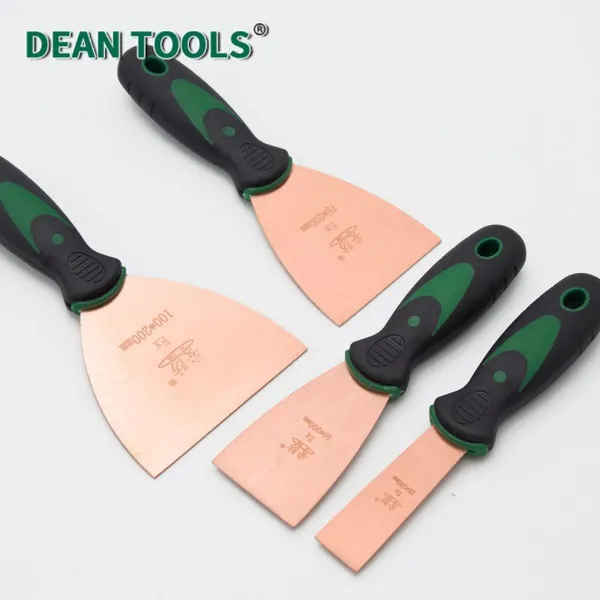
Aluminum Bronze Non-Sparking Putty Knife 200 mm Length With Plastic Handle for Hazardous EnvironmentUS$ 7.5MOQ: 10 Units
-
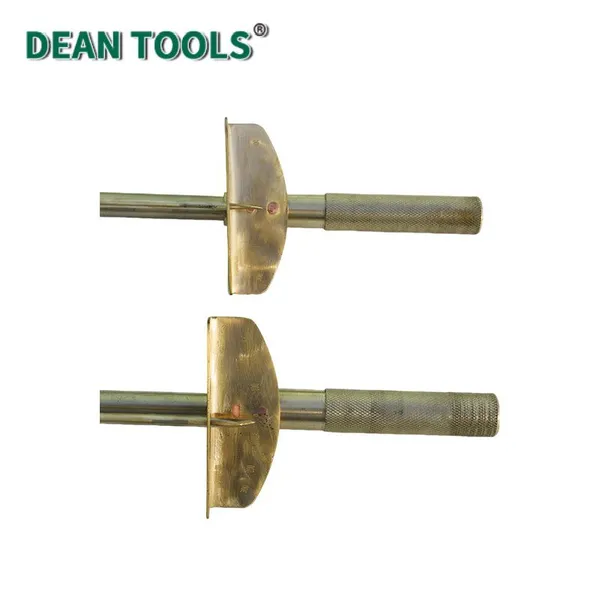
Non-Sparking Explosion-Proof Torque WrenchUS$ 51MOQ: 10 Units
-
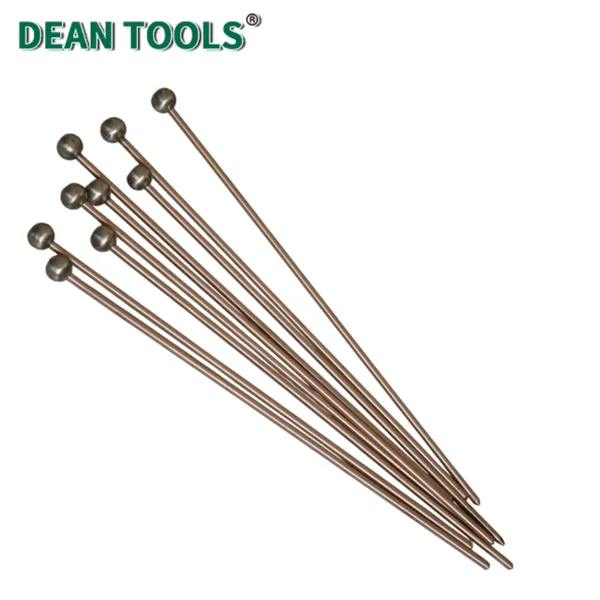
DEAN TOOLS Non-Sparking Ball Head Listening Rod, Copper Alloy Explosion Proof Listening Rod for Industrial Equipment MaintenanceUS$ 10MOQ: 10 Pieces
-
FLAT SPADE SHOVEL WOODEN HANDLE COPPER BERYLLIUM BRASS EDGE BLADEUS$ 20 - 25MOQ: 1 Piece
-
Non-sparking Flange Prop Beryllium Copper Alloy Anti-Corrosion Surface TreatmentUS$ 705.6MOQ: 10 Units
-
45# Steel 1" Dr Socket, 80mm Length,Size 22-36 Mm,45 Carbon Steel Socket ToolUS$ 5MOQ: 10 Units
-
Industrial 45# Steel Striking Open End Wrench, Industrial Maintenance Striking Wrench,Heavy Duty Hammering Open End WrenchUS$ 12MOQ: 10 Units
-
45# Steel Striking Box Wrench Size 17*150 Mm,Extra Wide Strike Zone Slogging Ring Spanner Corrosion Resistant Rust ResistantUS$ 7MOQ: 10 Units
-
45# Steel Hex Key Wrench, L-Shape,14mm, 90-Degree Bend, Satin Chrome Finish, 150mm Leg LengthUS$ 10MOQ: 10 Units