
 Business License

What type of material is commonly used for non-sparking tools?
Here’s a clean, expanded and publication-ready version of your content:
What type of material is commonly used for non-sparking tools?
Non-sparking tools are manufactured from non-ferrous metals or non-metallic materials specifically designed to minimize the risk of generating incendiary sparks in hazardous environments.
The most commonly used materials include:
Aluminum Bronze – A widely used copper-based alloy that offers a good balance of strength, wear resistance, and durability. It is one of the most common and cost-effective choices for heavy-duty non-sparking tools.
Copper-Beryllium (Cu-Be) – Known for its high hardness, excellent tensile strength, and non-magnetic properties. It is often used in applications requiring superior performance, although its use may be restricted in some regions due to beryllium safety considerations.
Copper-Nickel Alloys (such as Monel) – These alloys provide outstanding corrosion resistance, making them suitable for marine environments and highly corrosive chemical conditions.
Spinodal Alloys (e.g., AM 388) – Advanced copper-based alloys that offer high strength, non-magnetic behavior, and reliable non-sparking performance, serving as modern alternatives to traditional beryllium-containing materials.
Non-metallic materials – In some specialized applications, tools may also be made from wood, leather, or engineered plastics, typically used for light-duty or specific safety requirements.
Because these materials are generally softer than steel, non-sparking tools may wear more quickly and require more frequent maintenance or dressing. However, this trade-off is necessary to ensure safe operation in environments where ignition risk must be strictly controlled.
Recently Posted
-
Why Use a Non-Sparking Octagonal Hammer in Hazardous Area Maintenance?
August 17, 2026Meta Description: Discover how a non-sparking octagonal hammer supports maintenance in hazardous areas. Learn about hammer sh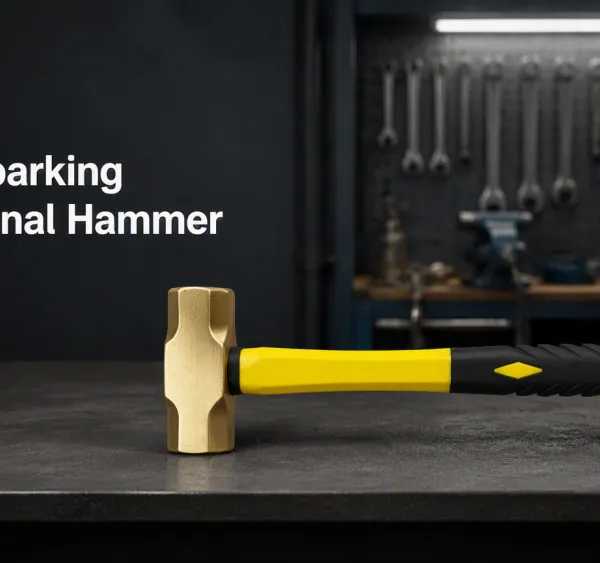 Read More
 -
How to Choose the Right Non-sparking Tools for Hazardous Work Areas
August 17, 2026Meta Description: Learn how to select non-sparking and Non-sparking tools for hazardous work areas. Compare materials, a
Read More -
Why Choose a Brass Hammer Instead of a Standard Steel Hammer?
August 2, 20261. Reduced Spark RiskThe biggest advantage of a brass hammer is its ability to reduce the risk of spark generation.In industries s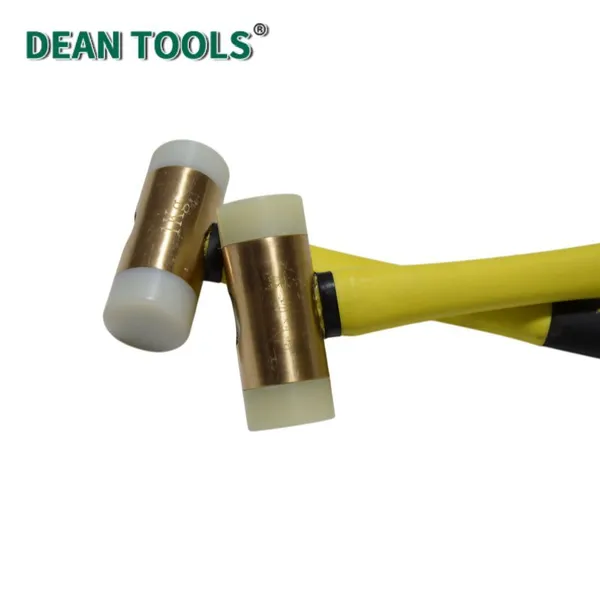 Read More
 -
Why Are Non-Sparking Hammers Made of Aluminum Bronze and Beryllium Bronze?
July 31, 2026IntroductionNon-sparking tools are widely used in industries where sparks can create dangerous situations.One of the most importan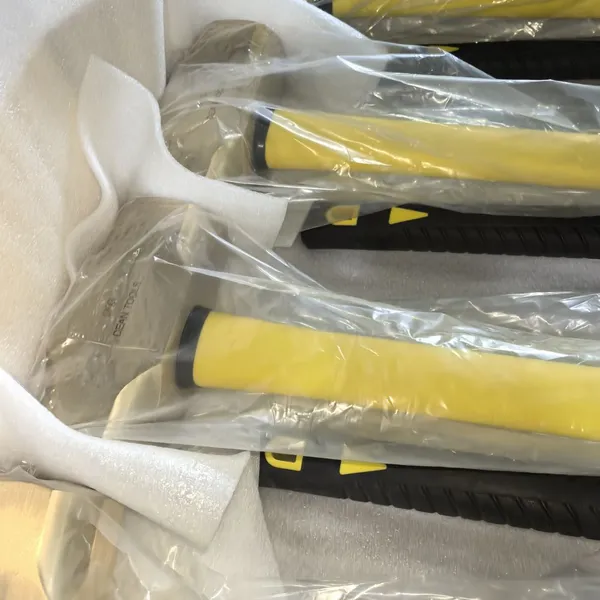 Read More

Contact Us
Recommended Products
-
 Aluminum Bronze Non-Sparking Tool Set Manufacturer,Custom Safety Tools, Copper Alloy Non-Sparking Tools Kit | Safe Hand ToolsUS$ 500MOQ: 10 Sets
 -
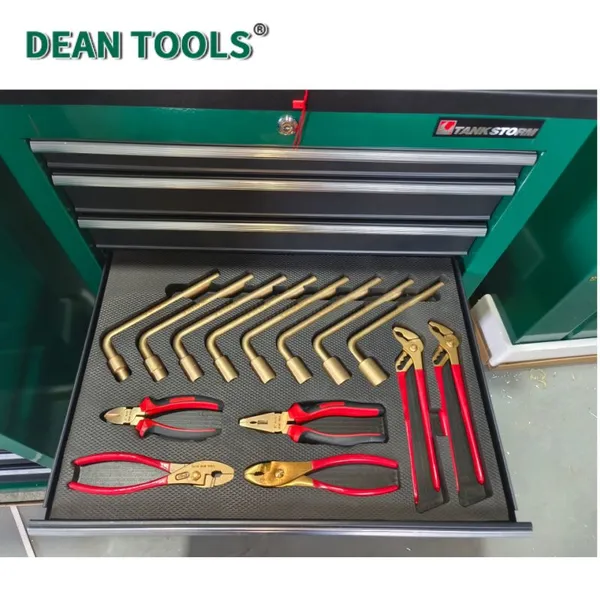
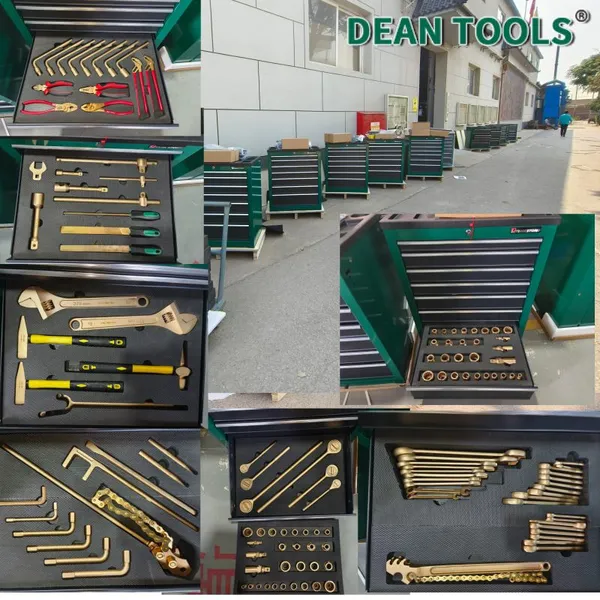
Non Sparking Tools Brass Scoop , Spark Proof Tools,DEAN TOOLS 113PCS Beryllium Bronze Non-Sparking Tool TrolleyUS$ 89 - 159MOQ: 1 Set
-
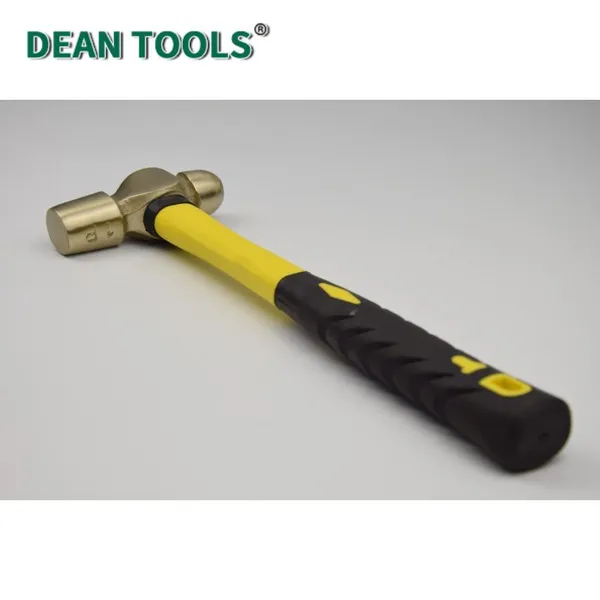
Non Sparking Ball Pein Copper Hammer\Industrial Hardware Tools\Explosion Proof Tools\Premium Copper AlloyUS$ 25.68MOQ: 10 Units
-
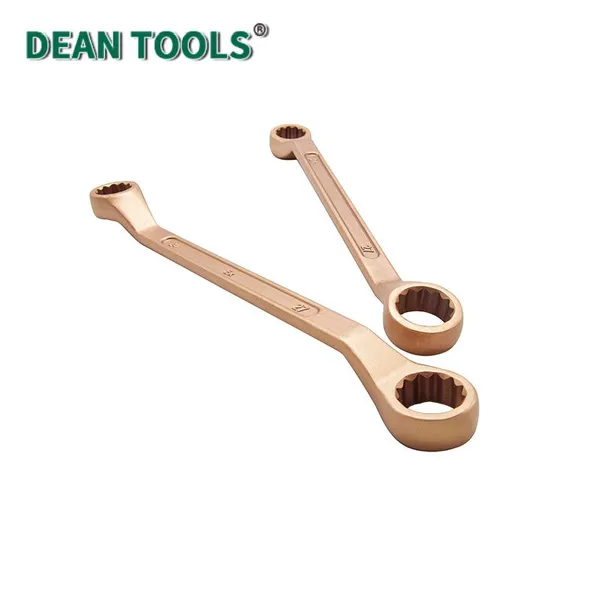
13-Piece Non-Sparking Double Box Offset Wrench Set, for Mining & Chemical Industry, Anti-Corrosion Coating,Size:5.5*7-30*32 mmUS$ 123MOQ: 10 Sets
-
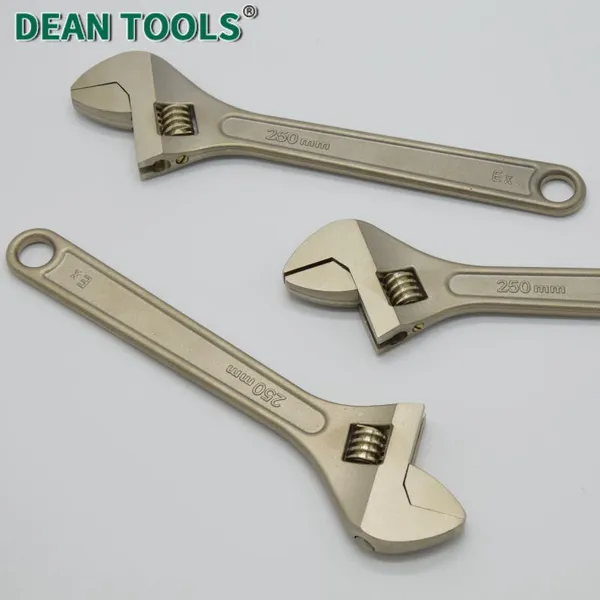
Non-Sparking Adjustable Wrench DEAN TOOLS Aluminum Bronze 6-Inch Natural Gas Pipeline Mining Operations SafetyUS$ 15MOQ: 10 Units
-
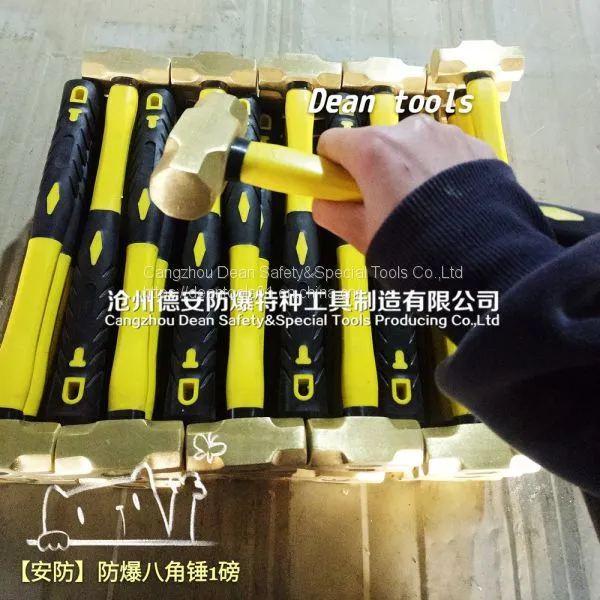
Non Sparking Beryllium Bronze Sledge Hammer With Fiber Handle 24P 18LBUS$ 39 - 520MOQ: 1 Piece
-
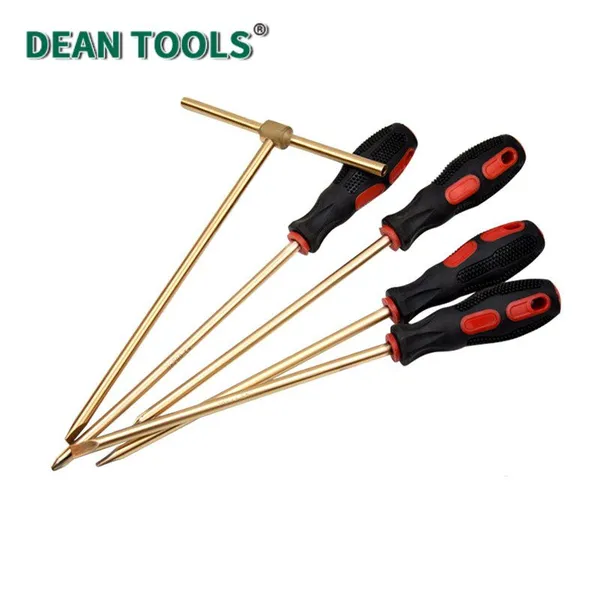
BERYLLIUM COPPER SCREWDRIVER SLOTTED FLAT NON SPARKING TOOLS 8*200MMUS$ 3.6 - 9MOQ: 1 Piece
-
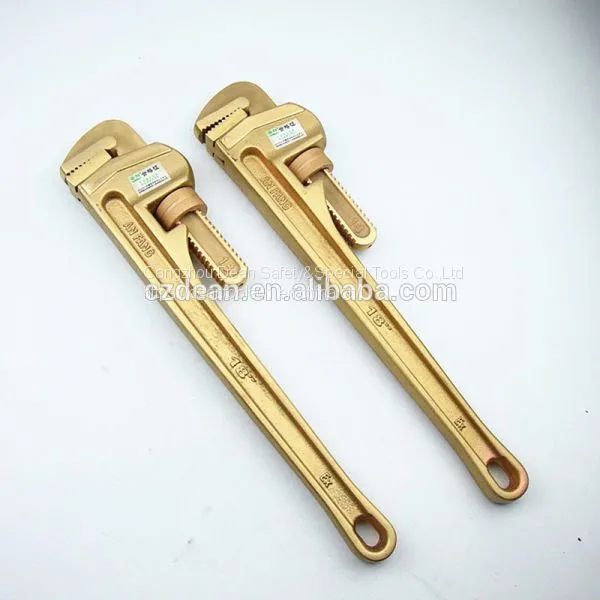
Non Sparking Pipe Wrench Beryllium Bronze Stilson,tube Spanner American TypeUS$ 15 - 360MOQ: 10 Pieces
-
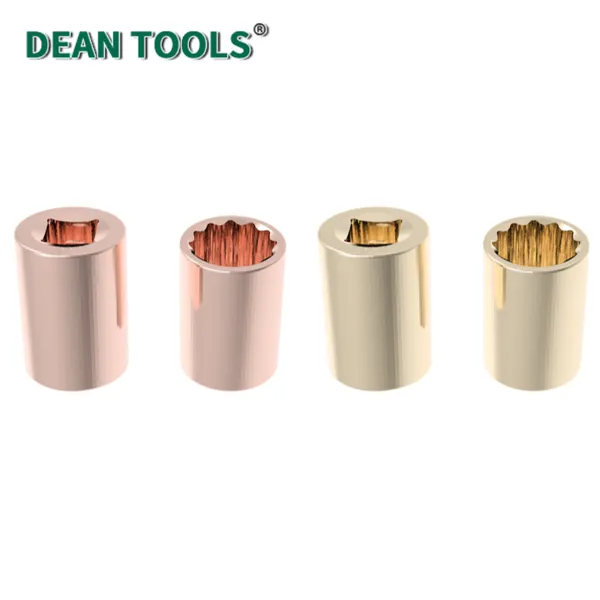
Sparkless be cu Joint Universal Wrench for Socket 1/2"*90mmUS$ 25 - 85MOQ: 1 Piece
-
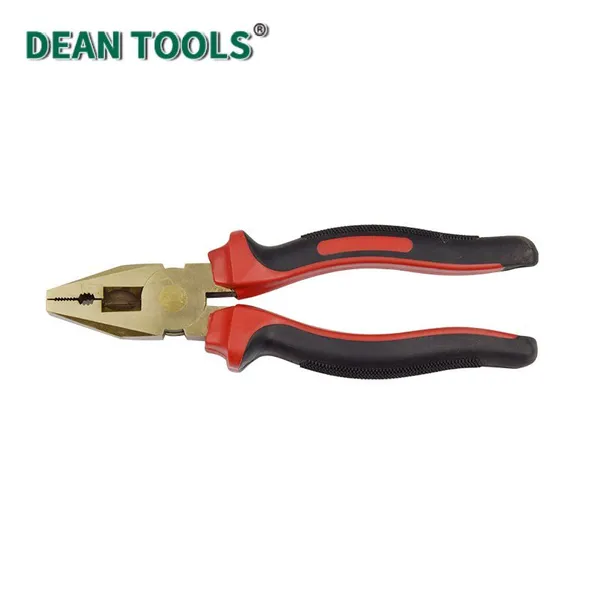
Non-Sparking Lineman Pliers for Chemical Plant, Aluminum Bronze, Anti-Corrosion, 5-Year WarrantyUS$ 18MOQ: 10 Units
-
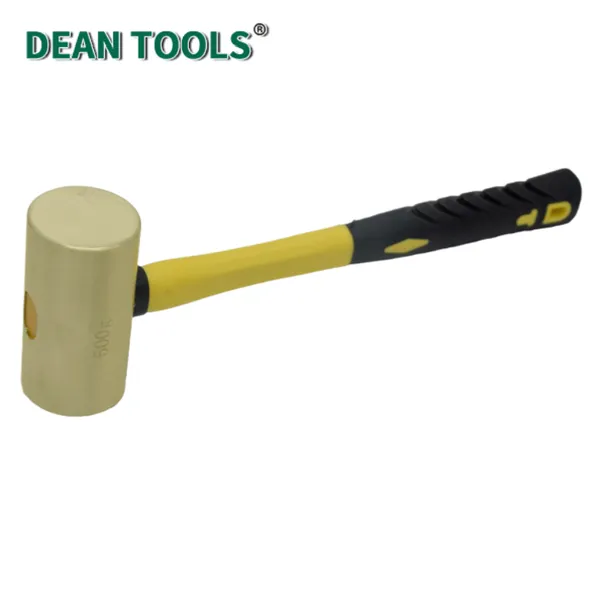
Non-Sparking Copper Hammer Mallet 2LB, Beryllium Copper Alloy,350mm LengthUS$ 25MOQ: 10 Units
-
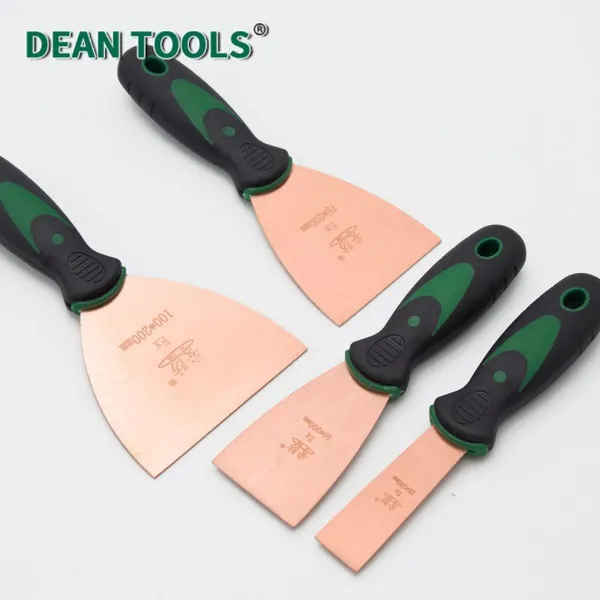
Aluminum Bronze Non-Sparking Putty Knife 200 mm Length With Plastic Handle for Hazardous EnvironmentUS$ 7.5MOQ: 10 Units
-
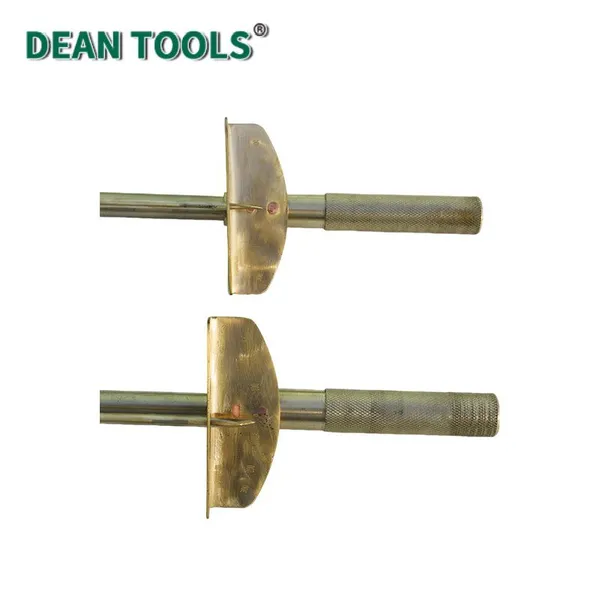
Non-Sparking Explosion-Proof Torque WrenchUS$ 51MOQ: 10 Units
-
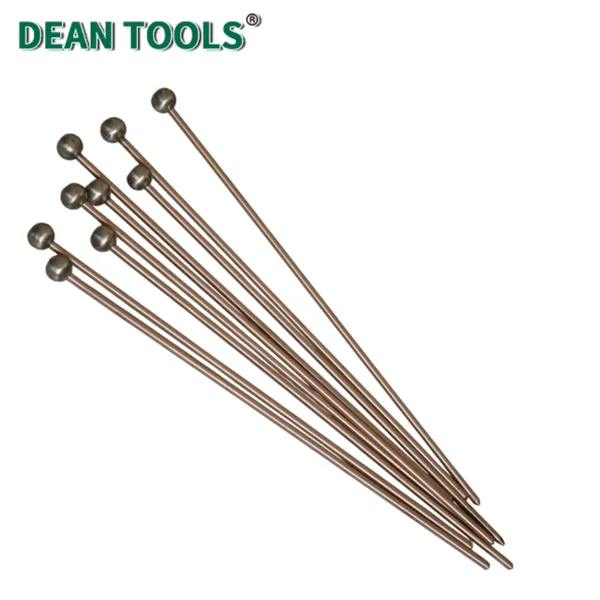
DEAN TOOLS Non-Sparking Ball Head Listening Rod, Copper Alloy Explosion Proof Listening Rod for Industrial Equipment MaintenanceUS$ 10MOQ: 10 Pieces
-
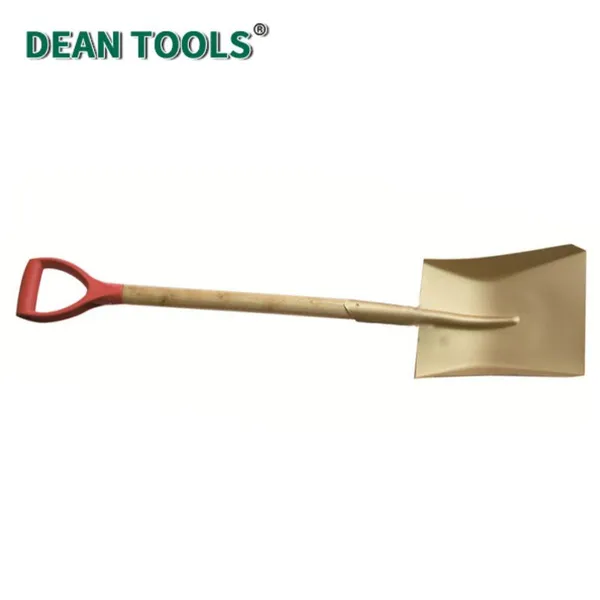
FLAT SPADE SHOVEL WOODEN HANDLE COPPER BERYLLIUM BRASS EDGE BLADEUS$ 20 - 25MOQ: 1 Piece
-
Non-sparking Flange Prop Beryllium Copper Alloy Anti-Corrosion Surface TreatmentUS$ 705.6MOQ: 10 Units
-
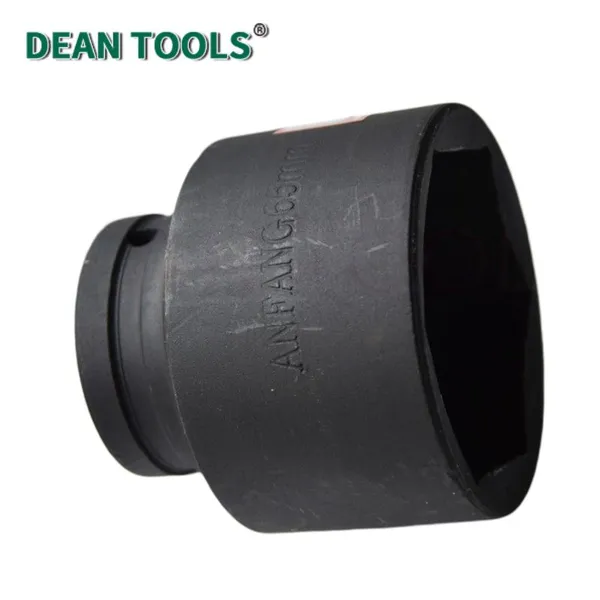
45# Steel 1" Dr Socket, 80mm Length,Size 22-36 Mm,45 Carbon Steel Socket ToolUS$ 5MOQ: 10 Units
-
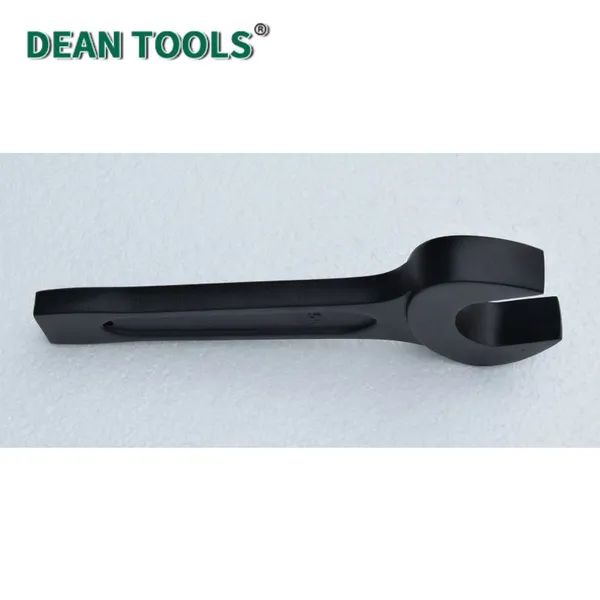
Industrial 45# Steel Striking Open End Wrench, Industrial Maintenance Striking Wrench,Heavy Duty Hammering Open End WrenchUS$ 12MOQ: 10 Units
-
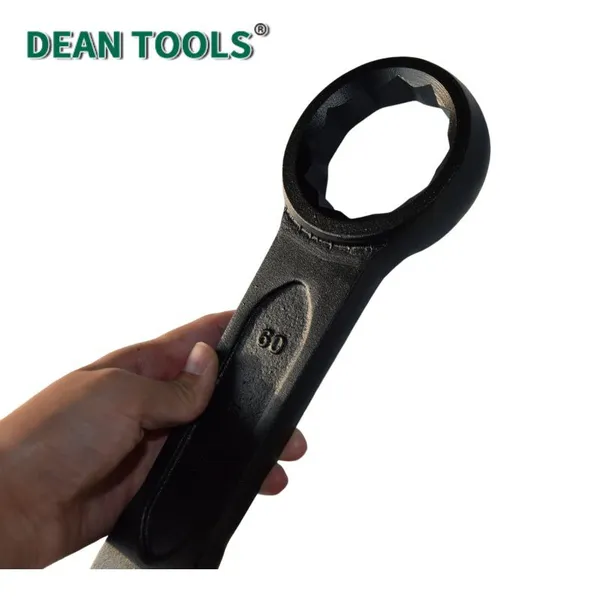
45# Steel Striking Box Wrench Size 17*150 Mm,Extra Wide Strike Zone Slogging Ring Spanner Corrosion Resistant Rust ResistantUS$ 7MOQ: 10 Units
-
45# Steel Hex Key Wrench, L-Shape,14mm, 90-Degree Bend, Satin Chrome Finish, 150mm Leg LengthUS$ 10MOQ: 10 Units